Drafted by Three Enemies: The Korean Soldier Who Wore More Uniforms Than Anyone Should Have to in One War
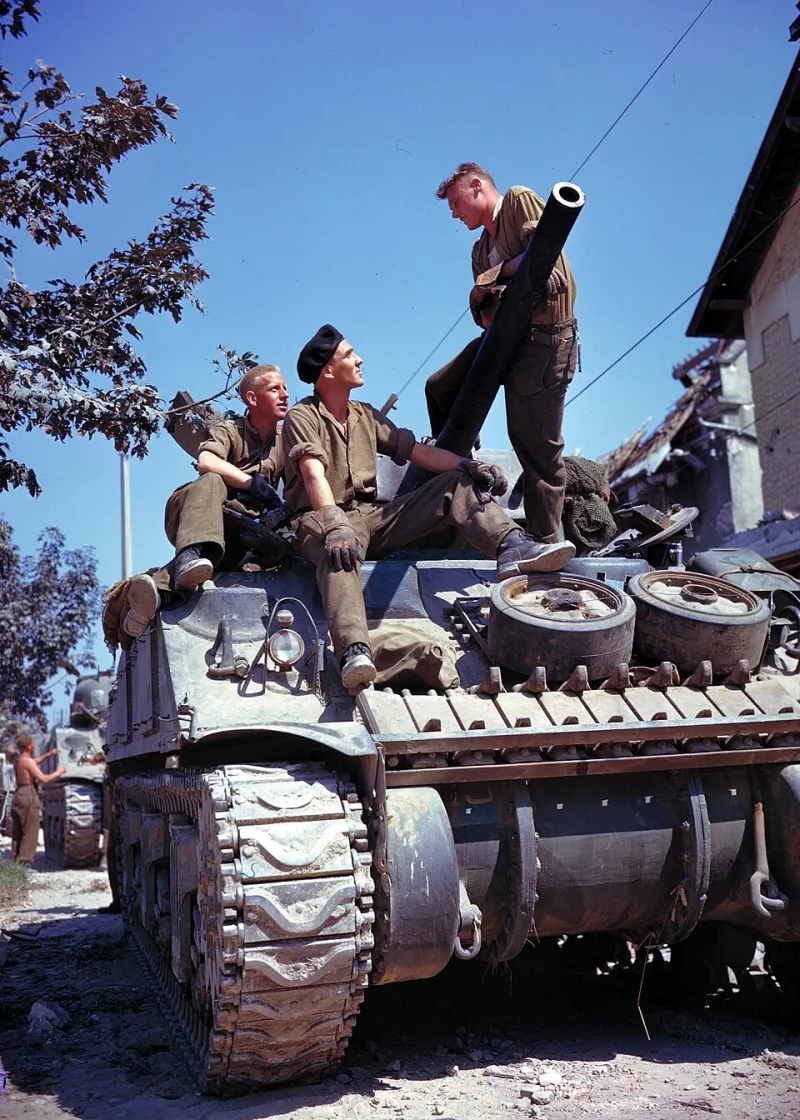
Photo: Unknown authorUnknown author, Public domain, via Wikimedia Commons
If you looked at the photograph taken somewhere on the Normandy coast on June 6, 1944, you would see what appeared to be a German prisoner of war. The uniform was German. The capture was by American paratroopers. But the man inside the uniform was Korean — and by the time he ended up on that beach, he had already been conscripted, captured, pressed into service, and captured again in a sequence of events so improbable that historians spent years confirming it actually happened.
His name was Yang Kyoungjong. And his story is one of the strangest, saddest, and most quietly remarkable of the entire Second World War.
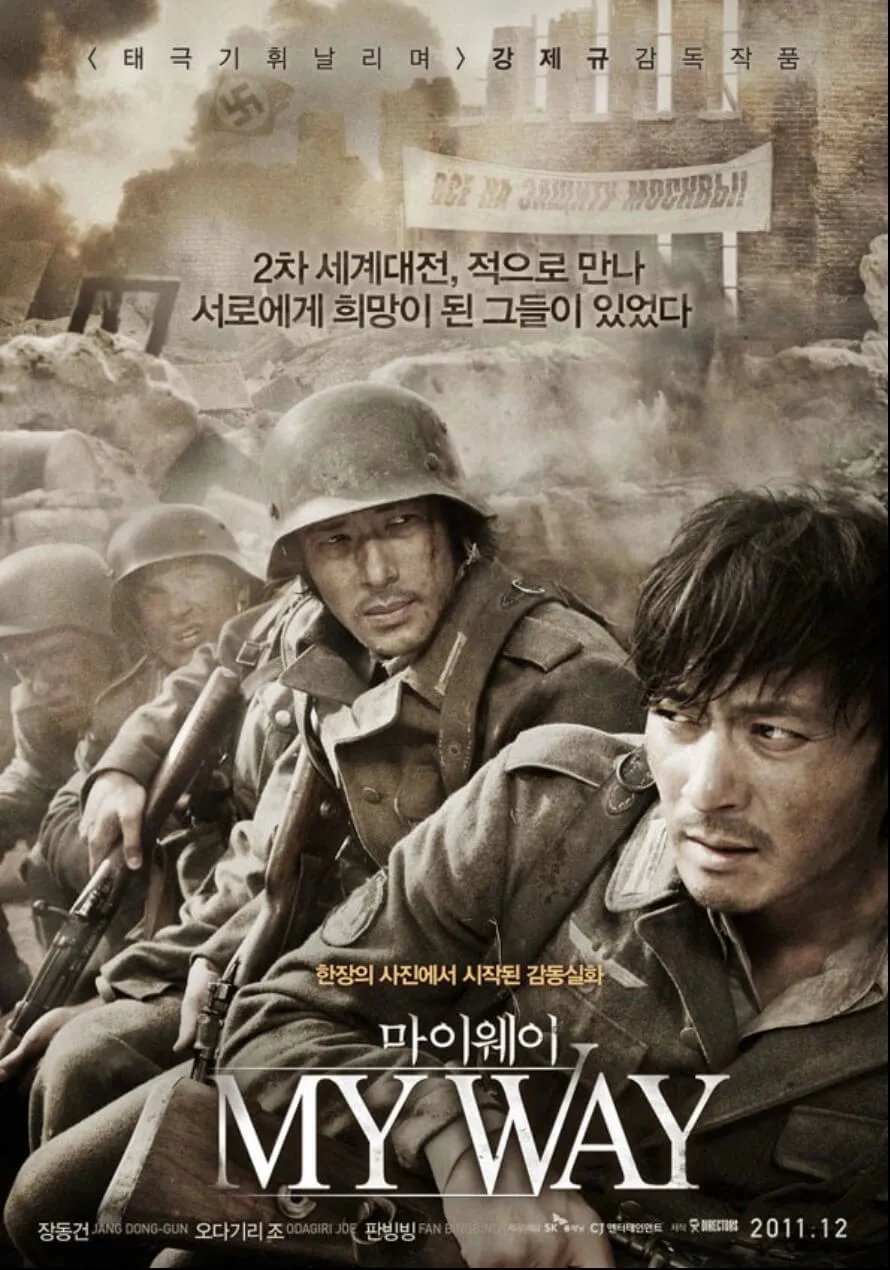 Photo: Yang Kyoungjong, via www.gunsamerica.com
Korea, Japan, and the Draft That Started Everything
Yang was born in Korea in 1920, when the peninsula was under Japanese colonial rule — a situation that had held since Japan's annexation in 1910. For Koreans of Yang's generation, Japanese authority was simply the condition of existence. You lived under it, worked under it, and, when the Japanese military decided it needed more bodies, you were drafted into it.
In 1938, at eighteen years old, Yang Kyoungjong was conscripted into the Imperial Japanese Army. This was not unusual. Japan drafted tens of thousands of Koreans into its military during the war years, many of them sent to the vast, brutal theater of the Pacific or — as in Yang's case — to the Asian mainland, where Japan was fighting a grinding conflict with China and, increasingly, maneuvering against the Soviet Union.
Yang ended up near the Mongolian border, in the zone where Japanese and Soviet forces had been clashing in a series of undeclared border conflicts since the late 1930s. It was a dangerous assignment. And in 1939, during the Battle of Khalkhin Gol — a major Soviet-Japanese engagement that most Americans have never heard of but that military historians consider one of the war's decisive early confrontations — Yang was captured by Soviet forces.
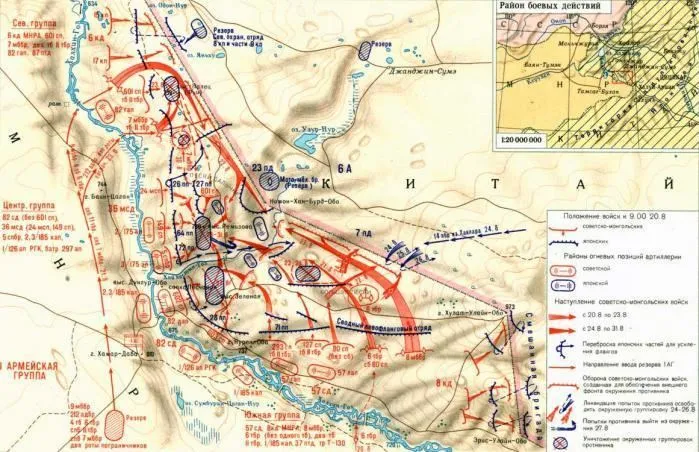 Photo: Battle of Khalkhin Gol, via alchetron.com
From Japanese Prisoner to Soviet Soldier
Being captured by the Red Army in 1939 was not a pleasant experience. Soviet prisoner-of-war camps were brutal, and survival was not guaranteed. But Yang survived, and his survival eventually led to something that must have seemed, from the outside, almost surreal: the Soviets pressed him into military service.
The Red Army had a practice of conscripting prisoners from certain populations into labor battalions and, in some cases, combat units. Yang, now in his early twenties, found himself wearing a Soviet uniform and serving in the Red Army — fighting for a country that had captured him while he was serving a country that had conscripted him against his will in the first place.
He was, at this point, a Korean man who had been drafted by Japan and then drafted again by the Soviet Union. He had not chosen either army. He had not chosen this war. He was simply a person caught in the gears of history's largest conflict, being ground forward.
Captured Again. Pressed Again.
In 1943, the German Wehrmacht launched Operation Barbarossa's long, devastating push into Soviet territory. Yang was serving somewhere on the Eastern Front when German forces swept through his position. He was captured — for the second time in his life, by a second different army.
The Germans, facing severe manpower shortages on the Eastern Front, had developed a practice of conscripting captured Soviet soldiers — particularly those from non-Russian ethnic backgrounds — into auxiliary units called Ostbataillone, or Eastern Battalions. These were troops the Wehrmacht didn't entirely trust but desperately needed. They were given German uniforms, German weapons, and German orders, and sent to secondary theaters where their loyalty could be more easily managed.
Yang Kyoungjong was assigned to one of these units. He was now wearing his third uniform of the war: first Japanese, then Soviet, now German. He had been conscripted three times by three different powers. He had fought — or been forced to stand in the general vicinity of fighting — for Japan's empire, the Soviet Union, and now Nazi Germany. None of these were his choices. None of these were his causes.
His unit was eventually deployed to France, to help garrison the Atlantic Wall — Hitler's coastal defense system along the English Channel. Yang ended up in Normandy.
D-Day and the American Paratroopers
On June 6, 1944, American paratroopers from the 506th Parachute Infantry Regiment dropped into Normandy as part of the D-Day invasion. In the chaotic early hours of the operation, they encountered and captured a group of soldiers in German uniforms. Most were German. One was not.
The American soldiers who took Yang prisoner reportedly assumed at first that he was Japanese — an ally of Germany, perhaps an exchange of military personnel. They couldn't place him. He didn't speak German. He didn't speak English. He was wearing a Wehrmacht uniform on a French beach, and he was Korean.
Yang was processed as a prisoner of war and eventually transferred to a camp in Britain, and later to the United States. He never returned to Korea. After the war, he settled in Illinois, where he lived quietly until his death in 1992. He gave almost no interviews. He left almost no written record of what he had experienced.
What One Man's Story Reveals
Yang Kyoungjong's journey — Japan to the Soviet Union to Germany to American captivity — is so improbable that when the story first circulated widely among historians, some questioned whether it could be real. The verification came gradually, through military records, prisoner logs, and the accounts of the American soldiers who captured him.
It is real. All of it.
His story gets discussed sometimes as a curiosity, a record of sorts — possibly the only man to serve three armies against his will in a single conflict. But it's also something more than a curiosity. Yang's experience is an extreme illustration of something that was ordinary in World War II: the complete powerlessness of individuals caught inside massive, colliding historical forces.
Millions of people were swept into that war without choosing it. Most of them didn't survive long enough to tell stories as strange as Yang's. He did survive — through luck, through circumstance, through some combination of factors that can't fully be explained. He ended up in Illinois. He lived a quiet life.
And somewhere in the archives, there is a photograph of a Korean man in a German uniform, standing on a Normandy beach, having just been captured by his fourth army in six years. Reality, it turns out, doesn't need to make sense. It just needs to happen.