A Missouri Town Mourned Him for Three Years. He Was Alive the Whole Time.
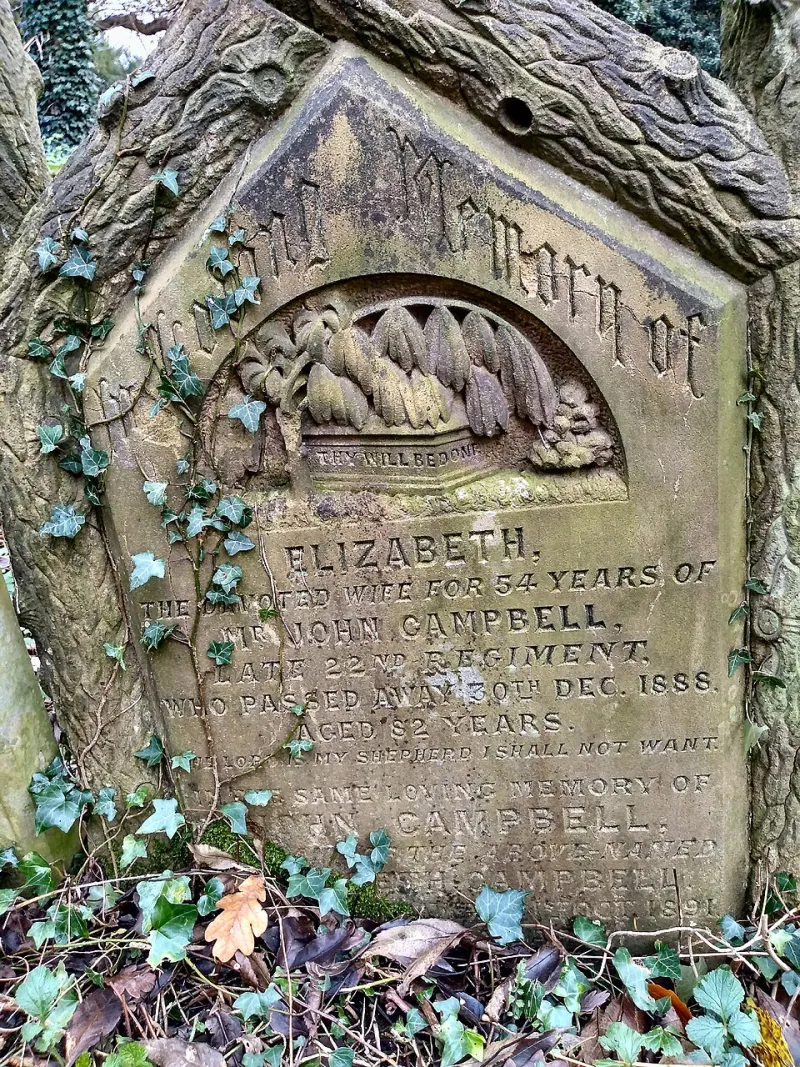
Photo: AndyScott, CC BY-SA 4.0, via Wikimedia Commons
Grief is one of the most intimate human experiences. When a community comes together to bury one of its own — to lower a casket, place flowers, carve a name into stone — there's a weight to that ritual that feels permanent and real.
So imagine discovering, three years later, that you buried the wrong person entirely.
That's exactly what happened to a small Missouri town in a chain of clerical errors so improbable that if you pitched it as a screenplay, someone would tell you to dial it back.
A Name, Transposed
It started the way so many bureaucratic disasters do: with a typo.
A man — we'll call him by his initials, R.M. — was admitted to a hospital across state lines in circumstances that were chaotic enough that the intake paperwork was rushed. A name was entered. But not quite his name. Two letters transposed, a middle name used where a last name should have been, or some similarly minor clerical shuffle that seemed inconsequential in the moment.
In a large urban hospital processing dozens of admissions daily, these things happen. Someone usually catches it. A family member provides a correction. An insurance card contradicts the form. The error gets fixed.
Except R.M. had no family present. No one came to visit. And when he died — from causes unrelated to the identity mix-up — the name on the intake form was the name that traveled forward through the system. Onto the death certificate. Across state lines. Into the hands of a Missouri county clerk who cross-referenced it against local records and found a match.
The match was a different man entirely. A man who was, at that moment, very much alive and living quietly in Tennessee under circumstances that had led him to drift away from his Missouri roots years earlier.
The Funeral Nobody Should Have Had
What happened next is a testament to how efficiently good intentions can go wrong.
The Missouri community, notified of the death of someone they believed to be a local man — a former neighbor, a recognizable name — did what small towns do. They organized. They collected money. They arranged a funeral with the kind of communal effort that is genuinely touching when it's pointed in the right direction.
A casket was purchased. A service was held. People who hadn't thought about this man in years showed up to pay respects. A headstone was ordered, engraved with his name and dates that were, in every meaningful sense, fiction.
The man actually in the ground — the real R.M., the one whose transposed intake form had set all of this in motion — was cremated unclaimed by a hospital following standard procedures for unidentified or next-of-kin-absent deceased patients. His actual identity went with him, unremarked.
For three years, the Missouri town believed their story was complete. A man had lived, died, and been honored. The grave existed. The headstone proved it.
The Deceased Objects to His Own Obituary
The unraveling began when the living man — the one whose name was on the headstone — made contact with someone back in Missouri. The exact circumstances vary depending on the source: some accounts suggest he reached out about property matters, others that a distant relative spotted his name in some document and made a phone call.
Either way, the conversation that followed must have been extraordinarily strange.
We buried you.
I'm calling you from Tennessee.
We have a headstone.
I'm standing in my kitchen.
The process of untangling what had happened took months. Death certificates had to be reviewed. Hospital records from two states had to be cross-referenced. The original intake form — with its telltale transposition — had to be located and examined. Slowly, the actual sequence of events became clear.
The man in the Missouri grave was eventually identified through the painstaking process of elimination: who should have been buried unclaimed in that hospital during that period, and who wasn't accounted for anywhere else?
What Do You Do With the Wrong Grave?
This is the part of the story that nobody has a clean answer for.
The headstone bore the wrong name. The community had grieved the wrong person. The actual deceased — whoever R.M. really was — had been cremated without ceremony, without family, without anyone knowing his real name.
Rectifying a grave is not a simple administrative correction. It involves legal proceedings, family notifications, and the deeply uncomfortable task of telling a community that the ritual they found meaningful was built on a mistake.
The living man, for his part, reportedly found the situation equal parts disturbing and absurd. There is something uniquely disorienting about standing in a cemetery and reading your own name on a stone, knowing that someone else is underneath it.
The Paperwork at the Beginning of Everything
What makes this story stick — what gives it that particular flavor of reality that fiction can't quite replicate — is how small the original error was. A few transposed characters on a hospital intake form. A document filled out in haste by someone who had no idea the stakes.
Clerical errors are background noise. They happen thousands of times a day across every institution in the country, and almost all of them get caught or amount to nothing. But occasionally — very occasionally — the right error meets the right set of circumstances and cascades into something that sounds completely impossible.
A Missouri town buried a stranger. Grieved a living man. And didn't find out for three years.
Reality, as it turns out, has a very dark sense of humor.