The Impossible Defendant: When Prosecutors Charged a Man Already Locked in Their Own Jail

When the System Prosecutes Itself
In 1978, defense attorney Robert Morrison faced what should have been the easiest case of his career. His client, James Patterson, stood accused of armed robbery in Detroit on March 15th. The prosecution had witnesses, fingerprint evidence, and a clear timeline of events. They also had one small problem: Patterson had been locked in Jackson State Prison since February 8th, serving a two-year sentence for burglary.
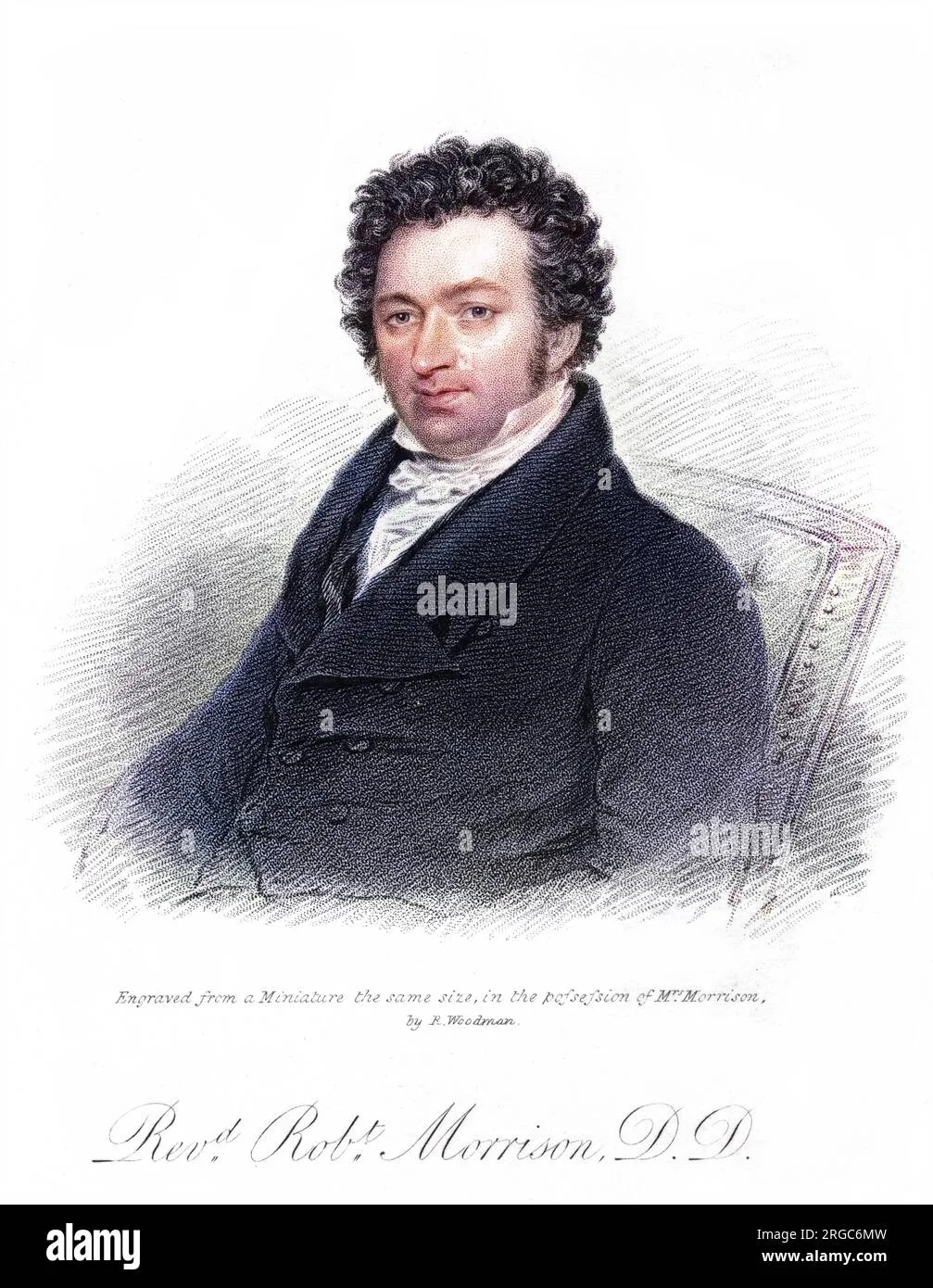 Photo: Robert Morrison, via c8.alamy.com
 Photo: Jackson State Prison, via c8.alamy.com
Somehow, this minor detail escaped everyone's attention until the trial was already underway.
The Paper Trail Nobody Read
The case began when Detroit police arrested Patterson in connection with a string of convenience store robberies. During booking, officers ran his fingerprints through the system and discovered outstanding warrants. What they didn't discover—despite having access to the same database—was that Patterson was supposed to be in state custody 80 miles away.
The disconnect started with separate computer systems that didn't communicate effectively. Local police databases tracked arrests and warrants. State corrections databases tracked prison populations. In 1978, these systems operated independently, creating information silos that would seem impossible today.
Patterson's arrest record showed multiple prior convictions but didn't automatically flag his current incarceration status. The investigating officers saw a career criminal with a pattern of behavior matching their case. They didn't see a man who had been eating prison food and sleeping in a cell during every single robbery they were investigating.
Bureaucratic Momentum Takes Over
Once the charges were filed, institutional momentum took control. The prosecutor's office built their case around witness identifications and circumstantial evidence, focusing on Patterson's criminal history rather than his whereabouts during the alleged crimes.
Meanwhile, Jackson State Prison continued housing Patterson according to their records. Guards conducted daily headcounts. Patterson attended mandatory work details. He received mail, participated in recreational activities, and followed prison routines—all documented in logs that nobody thought to check.
The prison system and court system operated as separate bureaucratic universes, each maintaining detailed records that never intersected.
The Defense That Wrote Itself
Robert Morrison inherited the case when Patterson's original public defender became unavailable. Morrison's first meeting with his client took place in the county jail, where Patterson had been transferred for trial proceedings.
"He kept insisting he was already in prison when these robberies happened," Morrison recalled years later. "I thought it was just another desperate alibi until I started checking his story."
Morrison's investigation revealed a paper trail so clear it bordered on comedy. Prison intake records documented Patterson's arrival in February. Daily attendance sheets showed him present for work assignments throughout March. Medical records tracked routine healthcare visits. Even the prison commissary had receipts for Patterson's purchases during the weeks when he allegedly terrorized Detroit convenience stores.
The most damning evidence came from the prison's own security cameras, which had captured Patterson in the background of routine footage during the exact times prosecutors claimed he was committing crimes 80 miles away.
The Courtroom Revelation
The trial proceeded normally until Morrison presented his defense. He didn't challenge the prosecution's evidence or question witness reliability. Instead, he simply introduced documentation proving his client's location during the alleged crime spree.
The courtroom fell silent as Morrison presented prison records, guard testimony, and photographic evidence showing Patterson behind bars during every single robbery. The prosecutor, who had spent months building a case, watched their entire theory collapse in real time.
Judge Margaret Williams later described the moment as "the most surreal experience of my judicial career." She had presided over hundreds of criminal cases but never encountered a situation where the defendant's alibi was provided by the state's own corrections system.
How the Impossible Almost Happened
The near-conviction revealed systemic flaws that extended far beyond simple clerical errors. Multiple agencies—police, prosecutors, courts, and corrections—operated with incomplete information while maintaining absolute confidence in their procedures.
Witness identifications, while sincere, proved unreliable when tested against documentary evidence. The prosecution's fingerprint analysis had matched Patterson to crime scenes, but subsequent investigation revealed contamination in the evidence processing lab.
Most troubling was the discovery that similar cases had occurred in other jurisdictions. A 1979 review found at least twelve instances nationwide where incarcerated individuals faced charges for crimes committed during their documented imprisonment.
The Aftermath of Absurdity
Charges against Patterson were dismissed with prejudice, meaning he could never be retried for the same offenses. The case prompted Michigan to implement cross-referencing protocols between law enforcement and corrections databases.
Patterson returned to Jackson State Prison to complete his original sentence, now with an unusual addition to his file: documentation proving he hadn't committed crimes he was never supposed to be free to commit.
The prosecutor involved in the case later admitted the experience "fundamentally changed how we verify defendant information." Morrison used the case as a teaching example for law students about the importance of thorough investigation, even when guilt seems obvious.
When Reality Defies Logic
James Patterson's case demonstrates how institutional blind spots can create situations so absurd they sound fictional. A man sitting in prison was nearly convicted of robbing stores while documented as locked in a cell, eating state-provided meals, and following supervised routines.
The case serves as a reminder that bureaucratic systems, no matter how sophisticated, remain vulnerable to gaps that logic suggests shouldn't exist. Sometimes the most important evidence is hiding in plain sight, filed away in a different office's records.