The Half-Day War: When Vermont's Weekend Warriors Accidentally Invaded Canada
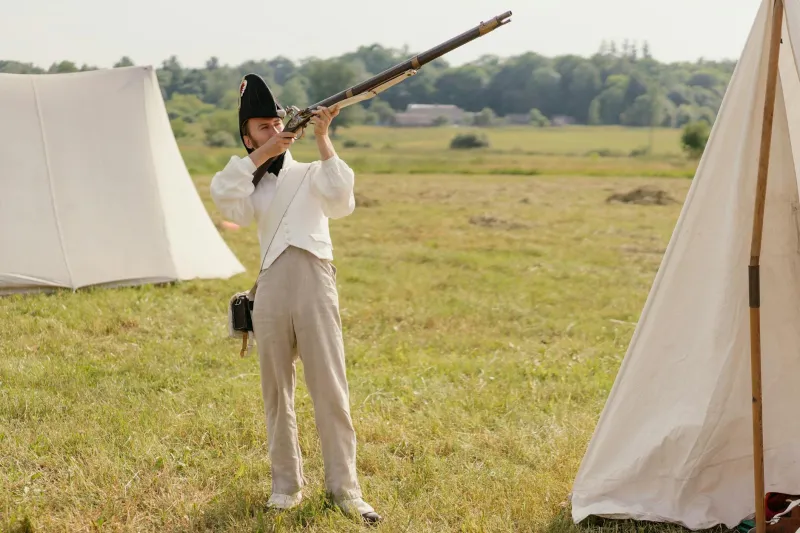
The Most Polite International Incident in History
Picture this: a group of enthusiastic Vermont farmers with more patriotic spirit than military sense decide they're going to single-handedly free Canada from British oppression. They steal a cannon, march across the border, fire exactly one shot, and retreat when they encounter a confused Canadian farmer asking what all the noise is about.
Sounds like something out of a comedy sketch, right? Except this actually happened in 1838, and the legal ramifications of this amateur-hour invasion weren't officially resolved until historians quietly swept it under the diplomatic rug more than 150 years later.
The Patriot War That Wasn't
The year 1838 was a turbulent time along the US-Canadian border. Rebellions were brewing in Upper and Lower Canada (now Ontario and Quebec), and American sympathizers were itching to help their northern neighbors throw off the British yoke. What became known as the "Patriot War" saw various groups of American volunteers launching raids across the border to support Canadian rebels.
Most of these operations were at least somewhat organized. The Vermont incident was... not.
Enter the Highgate Militia
In the small Vermont town of Highgate, a group of local militia members caught wind of the revolutionary fervor sweeping the border regions. Led by a man named Reuben Mallory, these weekend warriors decided they too would strike a blow for freedom.
Their target? The tiny Canadian settlement of Caldwell's Manor (now Noyan, Quebec), just across the border. Their weapon of choice? A six-pound cannon they'd "borrowed" from the local armory without bothering to ask permission.
On December 4, 1838, this intrepid band of liberators—numbering somewhere between 20 and 40 men, depending on which account you believe—marched north with the confidence of men who had clearly never been in actual combat.
The Invasion That Lasted Longer Than Lunch
The "Battle of Caldwell's Manor" unfolded like a scene from a Marx Brothers movie. The Vermonters crossed the border in broad daylight, wheeled their stolen cannon into position, and fired a single shot at a Canadian customs house.
The shot missed.
What happened next depends on whose version of events you trust, but the most credible accounts suggest the invaders encountered exactly one person: a bewildered Canadian farmer who wandered over to see what all the commotion was about. Upon realizing they were facing actual human beings who might shoot back, the liberation army promptly turned around and marched home.
Total duration of the invasion: roughly four hours. Casualties: none. Military objectives achieved: questionable at best.
The Paperwork Problem
Here's where things get genuinely weird. While the Highgate Militia's adventure was militarily insignificant, it was technically an act of war. American citizens had crossed an international border, fired on foreign soil, and retreated. Under international law, this constituted an invasion.
The problem? Nobody bothered to formally end the conflict.
The US government was embarrassed by the whole affair and quietly distanced itself from the raiders. The British were more focused on actual rebellions happening elsewhere in Canada. The Canadians seemed to treat the whole thing as a minor nuisance, like dealing with particularly aggressive door-to-door salesmen.
So the war just... continued. On paper, anyway.
A Century of Forgotten Hostilities
For more than 150 years, this bizarre technicality lingered in the dusty corners of diplomatic history. The United States and British North America (later Canada) never signed a formal peace treaty regarding the Highgate incident. Legally speaking, Vermont remained at war with Canada.
Not that anyone seemed to notice or care. Trade continued across the border. Tourists visited. Families intermarried. The world's most polite international conflict carried on in complete silence.
The Quiet Resolution
It wasn't until the late 20th century that historians began pointing out this amusing legal loophole. The incident had become such an obscure footnote that most diplomatic scholars had forgotten it existed.
Eventually, through a combination of academic research and bureaucratic common sense, the matter was quietly resolved through normal diplomatic channels. No formal ceremony was held. No treaties were signed. The war simply ceased to exist through the magic of administrative oversight.
The Legacy of Amateur Hour
The Highgate incident perfectly captures the absurdity of 19th-century border tensions. Here was a conflict so minor that both sides forgot they were technically fighting, yet so real that it created genuine legal complications that lasted for generations.
Today, the border between Vermont and Quebec is one of the most peaceful international boundaries in the world. The customs house that was fired upon (and missed) has long since been replaced. The stolen cannon was eventually returned to its rightful owners, though probably not in working condition.
The only lasting legacy of America's shortest war is a reminder that sometimes reality is far stranger than fiction—and that good intentions combined with poor planning can create diplomatic headaches that last for centuries.
After all, it takes a special kind of military genius to accidentally declare war on an entire country and then forget about it for 150 years. Only in America would weekend warriors create an international incident that nobody bothered to officially clean up until historians started asking awkward questions more than a century later.