When Books Became Weapons
Picture this: You're a small-town librarian in 1950s Indiana, quietly doing your job, recommending books to locals, and maintaining the card catalog. Then one day, federal agents show up asking questions about your "subversive activities." Your crime? Suggesting people read books.
This wasn't fiction. This was Ruth Brown's reality.
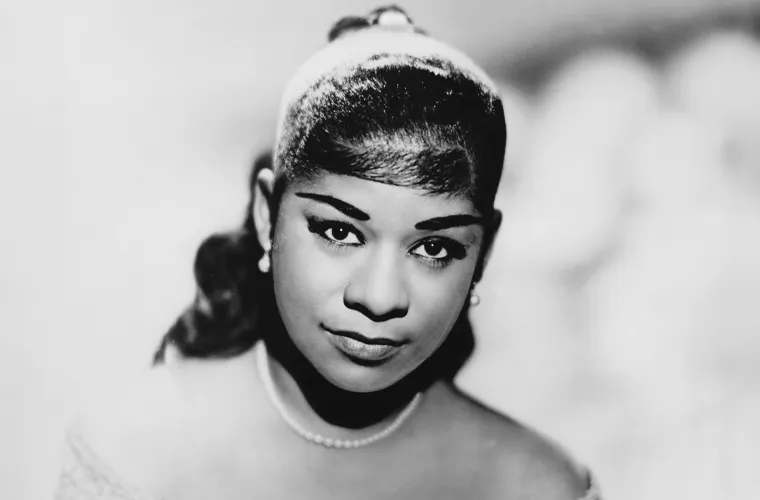 Photo: Ruth Brown, via samepassage.org
Brown worked at the Bartlesville Public Library in Oklahoma (not Indiana—the government got confused about that too), where she'd built a reputation for her thoughtful reading recommendations. She believed libraries should offer diverse perspectives, so she stocked works by authors across the political spectrum. Conservative books, liberal books, academic treatises, popular novels—if it was well-written and thought-provoking, Brown put it on her shelves.
 Photo: Bartlesville Public Library, via bartlesvillelibrary.com
What she didn't know was that in the paranoid atmosphere of the early Cold War, intellectual curiosity looked exactly like communist infiltration to federal investigators.
The List That Changed Everything
The trouble started with Brown's monthly reading recommendation lists. These weren't radical manifestos—they were exactly what you'd expect from a conscientious librarian. She'd highlight new acquisitions, suggest books for book clubs, and occasionally recommend titles that tackled contemporary issues.
But in 1950, "contemporary issues" meant anything touching on civil rights, labor relations, or international affairs. Brown had recommended books about racial equality, workers' rights, and the United Nations. To the FBI, this pattern looked suspicious.
Agents began monitoring the library, taking notes on who checked out which books. They photographed Brown's recommendation lists. They interviewed patrons about their reading habits. They treated the Bartlesville Public Library like it was a Soviet recruitment center.
The absurdity was staggering. Federal resources were being spent to investigate whether encouraging people to read diverse books constituted a threat to national security.
When Paranoia Meets Paperwork
The investigation escalated when local conservative groups joined the hunt. They accused Brown of promoting "un-American" literature and demanded her firing. The library board, feeling pressure from both federal investigators and local activists, faced an impossible choice.
Brown found herself defending not just her job, but the fundamental principle that libraries should offer information, not propaganda. She argued that exposing people to different ideas made them better citizens, not communist sympathizers.
The FBI disagreed. They compiled a file on Brown that grew to hundreds of pages, documenting her book purchases, tracking her correspondence with publishers, and analyzing her reading recommendations for "subversive content."
Meanwhile, Brown continued doing exactly what she'd always done: helping people find good books to read.
The Quiet Revolutionary
What makes Brown's story remarkable isn't just the government's overreaction—it's how her ordeal quietly revolutionized American library policy. As news of her case spread through library communities, professional organizations realized they needed stronger protections for intellectual freedom.
The American Library Association, partly in response to cases like Brown's, developed the Library Bill of Rights and began advocating for patron privacy protections. The idea that government agents could monitor what people read became a rallying point for librarians nationwide.
Brown herself was eventually forced out of her position, but her case helped establish precedents that still protect library users today. The confidentiality of library records, the principle of intellectual freedom, and the right to access diverse information—all of these concepts were strengthened by the backlash against McCarthyism's library surveillance.
The Unintended Legacy
The most ironic part? The government's investigation into Brown's "subversive activities" created exactly the kind of precedent they were trying to prevent. By treating book recommendations as potential threats to national security, federal agents inadvertently demonstrated why library privacy mattered.
Brown's case became a cautionary tale about government overreach, cited in court decisions and policy debates for decades afterward. The librarian who was investigated for promoting intellectual freedom became a symbol of why that freedom needed protection.
Reality's Stranger Side
Today, the idea that recommending books could make someone a federal target sounds like dystopian fiction. But for Ruth Brown and countless other librarians during the McCarthy era, this was daily reality.
Her story reminds us that even the most ordinary activities—helping people find good books, encouraging reading, promoting education—can become controversial when fear overwhelms reason. Sometimes the most dangerous thing you can do is exactly what you're supposed to do: think for yourself and help others do the same.
Brown never intended to become a civil rights pioneer. She just wanted people to read good books. The fact that this made her a target tells us everything we need to know about how strange reality can be when paranoia takes charge.