The Ham Radio Hobbyist Who Accidentally Became America's Most Wanted Soviet Spy
The Farmer Who Talked to the World
Harold Zimmerman never intended to become a person of interest to three different intelligence agencies. The 67-year-old retired corn farmer from Broken Bow, Nebraska, just wanted a hobby that would keep him busy during the long winter months of 1962.
 Photo: Broken Bow, Nebraska, via www.shutterstock.com
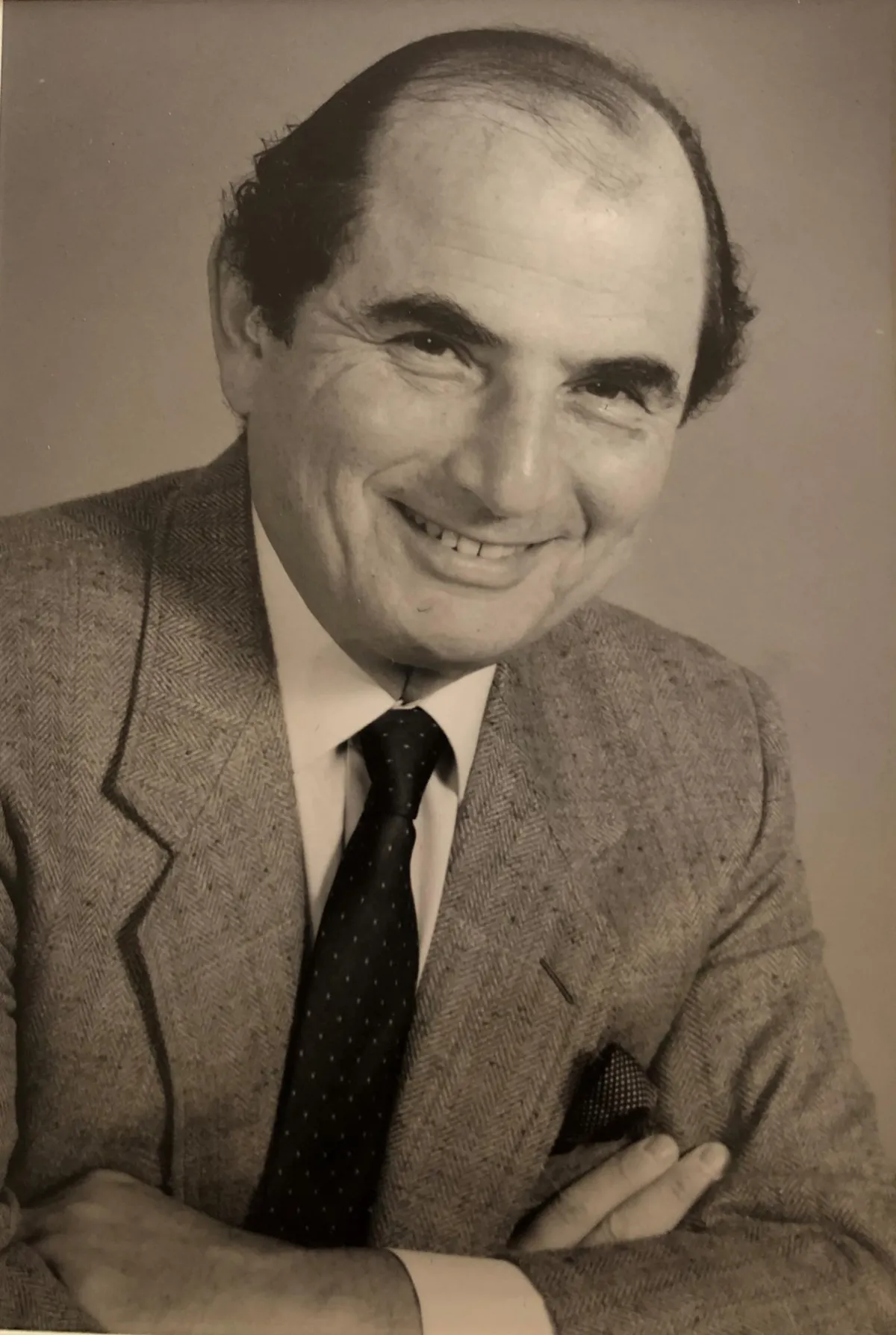 Photo: Harold Zimmerman, via d5nffgciuchtn.cloudfront.net
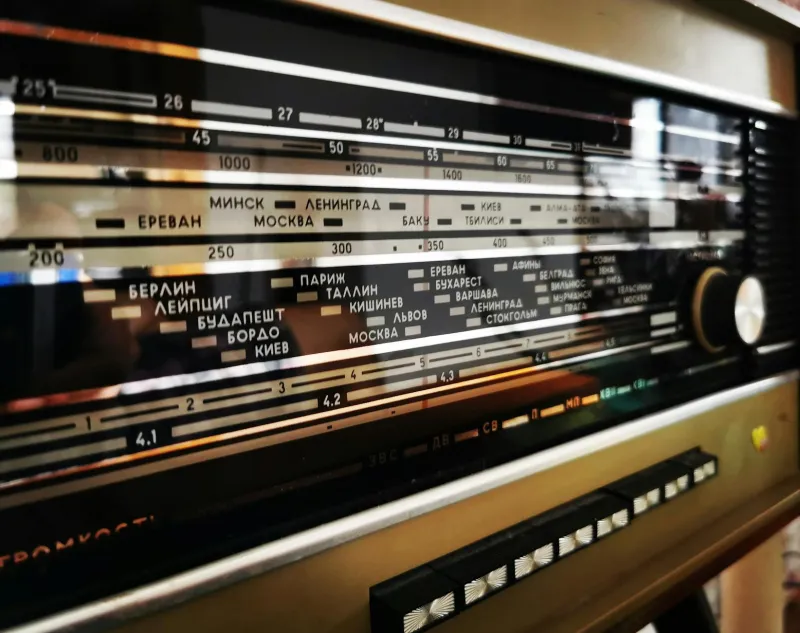
Ham radio seemed perfect. Zimmerman had always been handy with electronics—he'd been fixing farm equipment for decades—and the idea of chatting with people across the globe appealed to his curiosity about the wider world. Using mail-order parts and salvaged components from old television sets, he built what he proudly called "the most powerful shortwave setup between Omaha and Denver."
He had no idea he was about to accidentally intercept some of the Soviet Union's most sensitive military communications.
 Photo: Soviet Union, via www.shutterstock.com
The Signal That Changed Everything
Zimmerman's troubles began on a frigid February evening when he was scanning frequencies, looking for interesting conversations. His homemade receiver, boosted by a 200-foot antenna he'd strung between two grain silos, was unusually sensitive. It could pick up signals from thousands of miles away with crystal clarity.
That night, he stumbled across what sounded like coded transmissions in Russian. Fascinated by the technical quality of the signal, Zimmerman began recording the broadcasts on his reel-to-reel tape recorder. He planned to play them back later to analyze the transmission techniques.
What Zimmerman didn't realize was that his powerful antenna setup wasn't just receiving signals—it was accidentally rebroadcasting them across a 500-mile radius.
The Accidental Spy Network
For three months, Zimmerman unknowingly operated as an involuntary relay station for Soviet military communications. His equipment would capture encrypted signals from Eastern Europe, amplify them through his transmitter (which he thought was turned off), and broadcast them across the American Midwest.
The signals reached other ham radio operators, military installations, and eventually, intelligence monitoring stations. The CIA's listening post in Colorado began picking up Soviet communications that seemed to be originating from somewhere in Nebraska.
Meanwhile, Zimmerman continued his innocent hobby, completely unaware that his evening radio sessions were creating what intelligence analysts would later describe as "the most effective accidental espionage operation in American history."
When Three Agencies Came Knocking
The investigation began when Air Force intelligence noticed unusual Soviet signal patterns emanating from rural Nebraska. They alerted the FBI, who launched a surveillance operation looking for a sophisticated spy network. The CIA, meanwhile, had traced the signals to somewhere near Broken Bow and assumed they'd discovered a major intelligence operation.
For weeks, federal agents in unmarked cars staked out the area, trying to identify the source of the transmissions. They photographed Zimmerman working in his radio shack, documented his daily routines, and even intercepted his mail looking for coded communications.
The breakthrough came when an FBI technician realized the "spy" signals only appeared when a specific amateur radio license holder was broadcasting. Harold Zimmerman, call sign W0ZIM, wasn't running a Soviet intelligence operation—he was accidentally creating one.
The Interrogation That Solved Nothing
On May 15, 1962, agents from all three agencies descended on Zimmerman's farm. The farmer, who was adjusting his antenna when they arrived, initially thought they were there about his cattle grazing on federal land.
"They asked me about Russia, about codes, about secret messages," Zimmerman later recalled. "I told them the only Russian I knew was 'da' and 'nyet,' and the only codes I used were my call sign. They didn't seem to believe me."
The interrogation lasted six hours. Agents examined his radio equipment, analyzed his recorded tapes, and searched his house for evidence of espionage training. What they found instead was a collection of electronics magazines, a half-finished crystal radio project, and detailed logs of weather reports from around the world.
The Technical Revelation
The mystery was finally solved when a Signal Corps engineer examined Zimmerman's homemade equipment. The farmer had unknowingly created what's known as a "parasitic repeater"—his receiver was so sensitive and his transmitter so powerful that weak signals could trigger automatic retransmission.
Every time Soviet military stations broadcast on certain frequencies, Zimmerman's equipment would pick up the signal, amplify it, and blast it across the Midwest without any human intervention. The farmer wasn't a spy—he was an involuntary Soviet signal booster.
"It was actually quite ingenious," the engineer reported. "If someone had deliberately designed this setup for intelligence purposes, it would have been brilliant. The fact that it happened by accident was almost unbelievable."
The Cold War's Most Embarrassing Investigation
The three agencies quietly closed their investigation, but not before spending an estimated $2 million on surveillance, analysis, and personnel costs. The case files, declassified decades later, reveal the lengths to which intelligence services went chasing what turned out to be an elderly farmer's radio hobby.
Zimmerman was asked to modify his equipment to prevent future accidental rebroadcasts, which he did with the help of Air Force technicians. He continued operating his ham radio until his death in 1987, though he never again achieved the remarkable signal strength that had made him temporarily famous in intelligence circles.
The Lesson from Nebraska's Accidental Spy
The Zimmerman case became a cautionary tale within intelligence communities about the importance of technical analysis before launching major investigations. It also highlighted how Cold War paranoia could transform innocent activities into suspected espionage.
For Harold Zimmerman, the episode was simply an interruption to his hobby. "I just wanted to talk to people around the world," he said years later. "I never expected the world to be listening back quite so carefully."
Today, Zimmerman's story serves as a reminder that in the shadowy world of intelligence gathering, sometimes the most suspicious activity has the most innocent explanation.